INDUSTRY-FOCUSED TECHNOLOGY

RestaurantsTechnology that supports service, not distractions.

Connect front-of-house, kitchen, back-office, and guest systems with practical support around restaurant operations.

Practical scope. Clear responsibilities. Business-focused delivery.
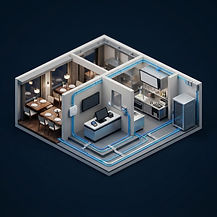
3D view of connected IT systems for Restaurants
UNDERSTANDING YOUR ENVIRONMENT

IT aligned with
how you operate.

Restaurant technology spans ordering, kitchen workflows, payments, communications, and guest access. An unreliable connection can create problems across several of those areas at once. SUPERTECH PTS helps map the dependencies and improve the physical and wireless foundation. We coordinate with specialist ordering and payment providers, document service ownership, and plan installations around preparation periods, service times, and venue access.

TAILORED TO YOUR INDUSTRY

Services that address
your real-world requirements.

Detailed support capabilities for restaurants, with the final scope shaped around your systems, locations, and priorities.

01 / IT Infrastructure & Networking

Restaurant connectivity foundations

Review coverage and network connections for ordering terminals, kitchen equipment, offices, and guest Wi-Fi. Plan segmented access and appropriate equipment placement with consideration for challenging building materials and busy service areas.

  • Ordering and kitchen connectivity assessment
  • Guest and operational network separation
  • Venue wireless coverage and equipment placement
  • Cabling and internet-provider coordination
02 / Managed IT Services (MSP)

Clear technical escalation

Support agreed workplace devices and connectivity, and coordinate technical handoffs with ordering and payment providers. Document the support route so managers know who owns each issue during an interruption.

  • Supported terminal and workstation troubleshooting
  • Ordering and payment vendor coordination
  • Clear incident ownership for managers
  • Maintenance around preparation and service hours
03 / Video Surveillance (CCTV)

Premises and service-area visibility

Plan surveillance coverage, recording, and authorized access for agreed public and operational spaces. Consider lighting, camera positioning, retention, and privacy requirements during system design and handover.

  • Approved service-area coverage planning
  • Camera positioning and low-light review
  • Recording retention and user permissions
  • Privacy-aware deployment and handover
04 / Business Communications

Connected staff and business calls

Review business calling and venue communication requirements. Coordinate voice connectivity and configuration so restaurant teams can manage customer calls and internal communication through supported systems.

  • Business calling and voice connectivity review
  • Supported telephone system configuration
  • Call handling and venue communication needs
  • Provider coordination and operational testing
YOUR CONNECTED ENVIRONMENT

See the bigger picture.

Technology works best when connectivity, support, and protection are planned together for restaurants.

Restaurants: Guest connectivity and point-of-sale technology

Connected daily operations

Connect service counters, ordering tools, and guest access without blending operational networks.

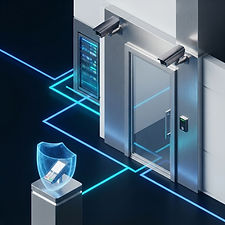
Restaurants: Secure building access and protected payment systems

Protection and continuity

Support controlled access and premises visibility across front-of-house and back-office spaces.

Restaurants: Managed IT support hub connecting workstations, diagnostics, and server infrastructure

A coordinated support partnership

Connect routine maintenance, user assistance, and vendor escalation around the needs of restaurants. Agree coverage, responsibilities, and next steps before support begins.

LET’S TALK ABOUT RESTAURANTS

Turn your priorities
into a practical IT plan.

Tell us about your locations, current systems, and the challenges affecting your team. We’ll help define an appropriate starting point for your restaurants technology requirements.

  1. 01Share the systems, locations, and issues you want to address.
  2. 02Review your priorities, access requirements, and operational constraints.
  3. 03Agree the next steps and scope before moving forward.

No obligation. No one-size-fits-all package. A conversation grounded in your environment.

Start a conversation.

Tell us a little about your business. We’ll take it from there.

No obligation. Just a practical conversation about your technology.